21 Siwa Oasis Travel Tips You Must Know Before Your Trip
- Jun 03, 2025
- 2,678
Siwa Oasis Travel tips matter more than you think—especially when 94% of travelers seek online help before visiting new places, according to Statista. But how many days should you stay? What should you pack? And is swimming really safe there?
This quick guide gives you 21 real tips to plan smart, avoid stress, and enjoy every minute.
How Many Days Do You Need in Siwa Oasis?
Planning your stay in Siwa Oasis changes everything. Some want a quick escape. Others stay longer to slow down. The right number of days depends on what you enjoy—nature, culture, or just quiet. Here’s how to choose, based on your pace and interests.
Siwa Oasis Travel Tips for Your Stay
- 2 days are enough to visit Cleopatra’s Pool, Shali Fortress, and the Salt Lakes
- 3 days let you explore more springs, join a short desert safari, and try local food
- 4 days give you time to visit hidden places like Fatnas Island and camp under the stars
- 5 or more days allow full cultural immersion and relaxation
- Siwa is remote, so include travel time in your plan
- Staying longer means less rush and more peace
- Most travelers wish they had more time—consider adding an extra day
- Every season offers a different experience—check the weather before booking
- Local guides help make every visit personal and easy
- Booking early means better places to stay and eat
Come now and visit Siwa Oasis and enjoy with your unique trip.
Suggested Itinerary by Day
Day 1: Arrival & Essentials
- Arrive in Siwa, settle into your stay
- Visit Shali Fortress and float in the Salt Lakes
- Take in the sunset at Fatnas Island to cap off your day.
Day 2: Nature & Culture
- Swim in Cleopatra’s Pool
- Visit the Temple of the Oracle and the Mountain of the Dead.
- Relax at Bir Wahed hot spring
Day 3: Local Life & Rest
- Walk through the local market
- Taste fresh dates and olives
- Visit Siwa House Museum
- Enjoy stargazing or a quiet night
Day 4 (Optional): Hidden Experiences
- Discover Taghaghien Island springs
- Bike through palm groves
- Join a Bedouin tea session
- Buy last-minute souvenirs
Book your Siwa Oasis Trip now and let us see you.

Siwa Stay Guide by Number of Days
Days | What You Can Do | Best For |
2 | Visit main spots like Shali and the salt lakes | Short trips, tight schedules |
3 | Add springs, local food, and time to relax | First-time travelers |
4 | Explore Fatnas Island, try desert camping | Culture lovers, slow travelers |
5+ | Live local life, visit villages, and unwind fully | Writers, families, and long vacations |
Practical Tips Before You Go
- Carry cash—many places don’t take cards
- Watch sunsets from Fatnas Island—it’s unforgettable
- Try local olives and dates—they’re fresh and tasty
- Nights get cold—pack layers
- Book desert camps early
- Respect local dress and customs
- Download maps—Wi-Fi is weak
- Stay hydrated—the sun can be intense
- Ask guides about hidden spots—they always know more
Why More Time Means More Value
Each extra day lets you go deeper. Maybe you find a quiet spring. Perhaps you just breathe better. You get used to the people, the stars, and the silence. These real moments reflect the heart of Siwa Oasis Travel tips—stay longer, slow down, and connect.
And you help more locals by eating in their homes, buying their goods, and sharing their stories. For more insights on Egypt's historical sites, check out this article on Where is Memphis in Egypt .
Final Tip
Two days are fine. Five are better. No matter how long you stay, Siwa Oasis gives you something real. Let Egypt Online Tour guide you. Take the trip. Feel the peace. Let your story begin. And book your E gypt Tour packages now.
We invite you to explore our Siwa Oasis Tour and enjoy your unforgettable trip
Siwa Oasis Travel Tips: Your Guide to a Smooth and Memorable Visit
Siwa Oasis offers a rare blend of natural beauty, rich history, and unique culture. To make the most of your trip, it’s important to plan carefully. Below are essential Siwa Oasis Travel tips to help you enjoy your visit fully, stay safe, and experience the real charm of this desert gem.
Essential Siwa Oasis Travel Tips
- Plan your trip from October to April for mild weather and comfortable days. Summers can be very hot.
- Book your accommodation early, especially in peak seasons, to secure the best places.
- Carry enough cash; many local shops and restaurants don’t accept cards.
- Dress modestly and comfortably; lightweight clothes work best, but cover your shoulders and knees out of respect.
- Drink lots of water to stay hydrated, particularly when engaging in outdoor activities.
- Pack layers because desert nights can get chilly, even in warmer months.
- Bring sunscreen and sunglasses to protect yourself from the strong desert sun.
- Download offline maps and guides before your trip; Wi-Fi is limited in Siwa.
- Hire a local guide to discover hidden spots and learn about Siwa’s culture firsthand.
- Respect local customs and traditions; greet with a smile and ask before taking photos of people.
- Try local food like fresh dates, olives, and traditional bread to taste authentic Siwan flavors.
- Visit key sites early in the day to avoid crowds and enjoy cooler temperatures.
- Include time for relaxation; Siwa is as much about peace as it is about sightseeing.
- Wear sturdy shoes, especially when walking through ruins or sand.
- Plan your transport carefully; Siwa is remote, and roads can be rough.
- Consider a desert camp overnight to experience starry skies and Bedouin hospitality.
- Check weather forecasts regularly, as sandstorms can occur unexpectedly.
- Respect the environment by not littering and avoiding damage to natural sites.
- Charge your devices fully before heading out; power outlets may be scarce in remote areas.
- Learn a few Arabic greetings—it shows respect and builds a connection.
It is also included in the 10 Days Round Trip Nile Cruise and Pyramids tour , which consists of all of Egypt's major historical sites in one amazing trip.
Read more about: How to Plan a Family Vacation in Egypt from USA
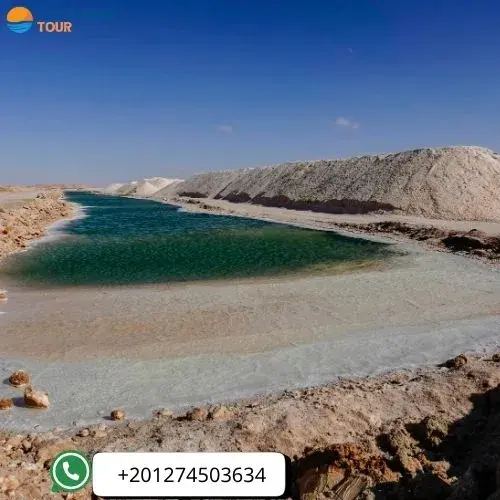
Siwa Oasis Travel Tips: Quick Reference Table
Tip | What to Do | Why It Matters |
1 | Travel Oct–Apr | Best season for the weather |
2 | Book early | Limited places in high season |
3 | Carry cash | Few places accept cards |
4 | Dress modestly | Shows respect |
5 | Stay hydrated | Avoid heat issues |
6 | Pack warm clothes | Nights get cold |
7 | Use sun protection | The sun is strong even in winter |
8 | Download offline tools | The Internet is unreliable |
9 | Hire local guides | Better experience |
10 | Ask before photos | Respect privacy |
11 | Try local food | Enjoy true flavors |
12 | Go early to the sites | Avoid the midday heat |
13 | Rest and relax | Don’t rush everything |
14 | Wear good shoes | Terrain can be rough |
15 | Sort out transport early | Long travel time |
16 | Try desert camping | Adds something special |
17 | Watch the weather | Be ready for changes |
18 | Don’t litter | Protect nature |
19 | Charge devices | Power cuts happen |
20 | Learn a few Arabic words | Locals really appreciate it |
21 | Respect holy places | Some sites are sacred to the community |
Following these Siwa Oasis Travel tips will help you have a smooth, safe, and unforgettable trip. The oasis is a place to slow down, explore deeply, and connect with nature and culture. With simple planning and respect for the local way of life, your visit will be truly special.
Need help planning your visit? Egypt Online Tour offers support from people who know Siwa well.
Read about: Tips on traveling to Egypt
When to Visit Siwa Oasis?
Timing matters. Consequently, plan according to weather, crowds, and local events. The best months to visit Egypt are part of what makes your trip smooth. Siwa Oasis Travel tips in this guide help you choose the best season to enjoy this desert gem.
1. Autumn (October – November)
- Weather: Days feel warm, around 22–31 °C. Nights turn cool, near 15 °C.
- Crowds: Moderate to high. Therefore, book early.
Highlights:
- Desert Safaris: The weather is perfect for dune bashing.
- Harvest Season: Date and olive picking happen now. You’ll see local markets buzz.
- Shali Fortress: Explore its ruins without heat stress.
Why Go Now?
- Pleasant temperatures mean you can see more.
- Fewer mosquitoes than summer months.
- Local festivals bring genuine culture to life.
2. Winter (December – February)
- Weather: Days range from 15–23 °C. Nights can drop to 5 °C.
- Crowds: Peak season. Prices rise. Hence, book months ahead.
Highlights:
- Hot Springs: Warm pools feel great in cooler air.
- Desert Camping: Nights are clear. Stars shine brightly overhead.
- Oracle Temple: Visit without worrying about the heat. Sunlight still warms you.
Why Go Now?
- Crisp air makes hiking easier.
- Clear skies offer prime photo chances.
- Local weddings and Siyaha Festival add color to evenings.
3. Spring (March – April)
- Weather: Days warm to 25–30 °C. Nights stay mild at 12–18 °C.
- Crowds: Moderate. Thus, you get more space.
Highlights:
- Palm Groves: Groves burst into green. Blooming flowers add vibrant color.
- Bird Watching: Migratory birds appear near water sources.
- Photography: The light is just right. Capture sunsets over dunes.
Warnings:
- Khamsin Winds: Dust storms may occur briefly. Pack a light scarf.
- Trail Conditions: Dust can settle on paths. Always carry extra water.
Why Go Now?
- Most comfortable weather for long hikes.
- Olives and fresh dates abound in local vegetable markets.
- Cooler evenings invite relaxed desert dinners.
4. Summer (May – September)
- Weather: Daytime highs climb to 35–45 °C. Night stays near 20–30 °C.
- Crowds: Very low. Hence, you’ll find great solitude.
Highlights:
- Natural Springs: Cool off in Cleopatra’s Pool and other springs.
- Early & Late Activities: Explore before 9 AM or after 4 PM.
- Star Gazing: Desert nights feel alive under bright stars.
Warnings:
- Extreme Heat: Midday sun can be dangerous. Stay indoors until late afternoon.
- Limited Services: Some lodges close or reduce services due to the heat.
Why Go Now?
- Lowest prices and empty sights.
- Pure, quiet desert experience.
- Unique chance to see Siwa without crowds.
Learn more: Best time to travel to Egypt
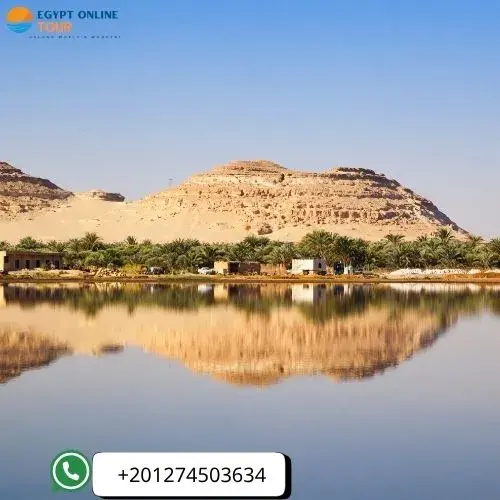
5. Monthly Weather Overview
Month | Avg. Temp (°C) | Notes |
January | 10–19 | Cool and dry |
February | 12–21 | Mild with low humidity |
March | 16–25 | Great for outdoor activities |
April | 20–30 | Warm and good for exploring |
May | 25–35 | Getting hotter but still okay |
June | 27–38 | Hot—take precautions |
July | 28–39 | Very hot—avoid midday sun |
August | 28–38 | Very hot—plan early outings |
September | 25–36 | Cooling down yet still warm |
October | 22–31 | Perfect weather returns |
November | 17–25 | Cool with fewer crowds |
December | 12–20 | Mild days, chilly nights |
6. Key Factors to Consider
Weather Comfort:
- If mild days and cool nights suit you, visit October–April.
- For true solitude despite the heat, choose May–September.
Crowd Levels:
- Peak: December–February; book very early.
- Shoulder: October, March; enjoy fewer crowds and good rates.
Festivals & Events:
- Siyaha Festival (typically February) showcases music, dance, and crafts.
- Harvest Time (late September–November) lets you taste fresh dates and olives.
Wildlife & Nature:
- Winter–early spring (November–April) brings migratory birds.
- Spring (March–April) offers blooming vegetation.
Accommodation Rates:
- Peak months are costly; off-season gives better deals.
- Summer lodges may close or reduce services.
Daylight Hours:
- Summer: Long days (sunrise 5 AM, sunset 7:30 PM).
- Winter: Shorter days but pleasant light for photos.
Travel Logistics:
- Remote location means long drives or overnight buses.
- Always plan extra travel time to avoid rushing.
Health & Safety:
- In high heat, the risk of heatstroke rises—carry water, wear hats.
- In winter, pack layers for cold nights.
Activity Focus:
- Desert safaris: Best in cooler months.
- Springs & salt lakes: Via summer midday escape.
Anyone interested in the origins of Egyptian culture should visit. This 8-day Pyramids & Nile by Air tour can incorporate it for a seamless and comprehensive experience.
7. Travel Tips by Season
Autumn (October – November)
- Book lodging early; rooms fill fast.
- Carry a light jacket for cool nights.
- Plan desert safaris mid-morning to avoid early haze.
- Pack insect repellent—mosquitoes thrive near water.
Winter (December – February)
- Layer clothing: mornings can feel cold.
- Book Siyaha Festival tours months ahead.
- Carry lip balm and moisturizer; desert air dries skin.
- Bring a headlamp for desert camping and tomb visits.
Spring (March – April)
- Capture sunrise at Fatnas Island—vibrant greens appear.
- Hike Dakrur Mountain early to beat the afternoon warmth.
- Refill your water bottle often; several springs are free to use.
- Be ready for sudden khamsin dust storms; carry a face scarf.
Summer (May – September)
- Schedule outdoor tours before 9 AM or after 4 PM.
- Wear loose, light-colored clothing for comfort.
- Stay near shaded groves when exploring Siwa Town.
- Consider a night in a desert camp to escape daytime heat.
8. Cultural & Practical Notes
Ramadan & Local Customs:
- During Ramadan, many businesses close during daylight. However, nightly markets come alive. Plan meals and tours accordingly.
- Wear modest clothing in public places by covering your knees and shoulders.
- Ask before photographing locals; respect personal boundaries.
Cash & Connectivity:
- ATMs are limited; carry enough local currency.
- Wi-Fi can be spotty. Therefore, download maps offline.
- Carry a power bank; charging points in remote areas are scarce.
Health Precautions:
- Always carry enough water; the dry climate dehydrates quickly.
- Sunscreen with a high SPF and a wide-brimmed hat are essential.
- In winter, pack a warm jacket for cold nights.
9. Sample Itineraries Based on Stay Length
Days Stayed Activities Pace
2–3 Days
Day 1:
- Shali Fortress, Siwa House Museum.
- In the afternoon, unwind in the salty lake and swim in Cleopatra's Spring.
- Evening: local supper, Fatnas Island sunset.
Day 2
- Desert safari in the morning, Bir Wahed hot spring.
- Afternoon: Mountain of the Dead. Evening: stargazing. Fast-paced
4–5 Days
Day 1–2: Cultural deep dive—Oracle Temple, Shali Fortress, local market.
Third Day: Full-day desert safari, hot springs, Bedouin dinner.
Day 4: Dakrur sand bath, Fatnas Island.
Day 5: Taghaghien hidden springs, bike palm groves, Berber tea ceremony. Balanced
6–7+ Days
All above, plus:
• Remote salt lake tours.
• Local craft workshops (weaving, pottery).
• Extended desert camps for meditation.
• Berber cooking class and home visits.
• Day trips to nearby Berber villages for deeper insight. Immersive
10. Best Times to Visit Siwa Oasis: Weather, Activities & Crowd Guide
Season / Months | Weather (Day/Night) | Top Activities | Crowds | Ideal For |
Autumn (Oct–Nov) | 22–31 °C / 15 °C | Desert safaris, harvest festivals, and Shali Fortress visits | Moderate–High | Couples, photographers, festival-goers |
Winter (Dec–Feb) | 15–23 °C / 5 °C | Hot springs, desert camping, Oracle Temple tours | High | Families, history buffs, and stargazers |
Spring (Mar–Apr) | 25–30 °C / 12–18 °C | Palm groves, bird watching, photography | Moderate | Nature lovers, photographers, and explorers |
Summer (May–Sep) | 35–45 °C / 20–30 °C | Early/late tours, spring visits, digital detox | Low | Solo travelers, adventure seekers, budget travelers |
Siwa Oasis is a place unlike any other. Each season reveals a different side of this desert wonder. With these clear, practical Siwa Oasis Travel tips, you can choose the best time for your adventure. Whether you crave gentle autumn breezes, mild winter days, blooming spring greens, or quiet summer heat, Siwa awaits. Plan wisely, pack simply, and immerse yourself in the magic of this timeless oasis.
For expert advice and tailored itineraries, visit Egypt Online Tour and let seasoned guides help you craft an unforgettable Siwa journey. Your desert story begins now. Enjoy your stay, and if you're planning a trip nearby, don't forget to check the check the Grand Egyptian Museum ticket price
What to Bring to Siwa Oasis: Your Practical Packing Guide
You may pack more efficiently with these Siwa Oasis travel ideas. Siwa is remote, dry, and peaceful, but its desert climate and lack of shops demand preparation. Siwa Oasis Travel tips in this guide make sure you stay safe, comfortable, and ready.
Clothing Essentials
- Light cotton clothes for hot daytime weather
- One warm jacket for cold desert nights
- Long-sleeved tops to protect from the sun and bugs
- Loose pants for comfort and modesty
- Breathable fabrics to reduce sweating
- Scarf or head wrap for sand and sun
- A modest swimsuit for hot springs or salt lakes
- Wide-brim hat for sun protection
- Sunglasses with a UV filter
- Enough socks and underwear for the trip
Footwear
- Walking shoes for ruins and daily activities
- Lightweight sandals for relaxed walking
- Hiking boots if planning desert treks
- Flip-flops for bathing spots or indoor use
- Avoid shoes with slippery soles
Health & Hygiene
- Sunscreen SPF 50+
- Lip balm with SPF
- Moisturizer for dry desert air
- Hand sanitizer and wet wipes
- First-aid kit with essentials
- Personal medicine with extra supply
- Insect repellent, especially in spring
- Oral rehydration salts for dehydration
Electronics & Tools
- Power bank with full charge
- Flashlight or headlamp
- Offline maps or a GPS app
- Universal adapter if not from Egypt
- Spare memory card and batteries
- Optional solar charger
Documents & Money
- National ID or passport in a waterproof pouch
- Printed travel plans, in case the signal is lost
- Egyptian pounds in small bills
- Printed emergency contacts
Other Useful Items
- Refillable water bottle
- Dry snacks like dates or energy bars
- Light backpack for daily use
- Notebook or journal
- Binoculars for lake birdwatching
- Travel towel that dries fast
- Ziplock bags for electronics or food
- Small sewing kit
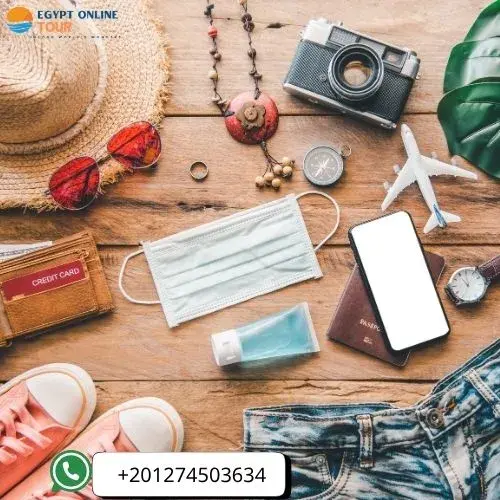
Seasonal Add-ons
Season | Add to Your Bag |
Winter | Fleece jacket, gloves, warm socks |
Summer | Cooling scarf, extra water, hat |
Spring | Allergy pills, a sand mask |
Autumn | Mosquito spray, soft shoes |
Extra Tips by Traveler
- Photographers: Bring lens wipes, tripod
- Families: Take games, child-safe snacks
- Solo travelers: Carry whistle, lock, guidebook
- Festival visitors: Bring one clean outfit
Packing Reminders
- Don’t overpack—Siwa is calm and casual
- Always put must-haves in hand luggage
- Local buses may not have storage, so mark your bag
- Check the weather 2–3 days before your trip
- Use reusable items to reduce plastic
These real moments reflect the heart of Siwa Oasis Travel tips—stay longer, slow down, and connect. Siwa has no big markets or malls. You must bring what you need. Pack light but complete. With good planning, you’ll enjoy the oasis, its people, and the desert without worry. Every choice matters when you're far from the city.
Sustainable Travel in the Siwa Oasis: Simple Actions, Real Impact
Your visit to Siwa isn't just a trip. It’s a chance to protect a unique place. These Siwa Oasis travel tips help you enjoy the journey while respecting its people, land, and future.
Why Sustainable Travel in Siwa Matters
- Siwa’s desert, springs, and culture are fragile
- Resources are limited, especially water and energy
- Local people depend on tourism—your choices matter
- A few good habits protect Siwa for generations
What can you do in Siwa?
1. Water & Waste
- Instead of purchasing plastic bottles, bring reusable ones.
- Bring your silverware, straw, and a cloth bag.
- Avoid leaving any trash in nature
- Use soap that won’t harm the soil or springs
2. Transport
- Walk or cycle when possible
- Choose shared tours over private ones
- Ask your guide about eco-friendly options
3. Accommodation
- Pick guesthouses built with local materials
- Avoid hotels that overuse water or electricity
- Look for stays that support Siwan families
4. Food
- Eat at small, family-run places
- Try local dates, olives, and herbs
- Say yes to meals made from seasonal ingredients
5. Shopping
- Buy handmade crafts directly from the maker
- Avoid mass-produced souvenirs
- Use your bag instead of plastic wraps
6. Nature & Wildlife
- Stay on clear walking paths
- Don’t collect plants or stones
- Never feed animals or birds
7. Culture & Community
- Dress with care, especially in public spaces
- Learn how locals greet and show respect
- Ask before taking photos
- Pay fair prices—don’t bargain too hard
8. Electronics
- Bring a solar charger
- Download offline maps in advance
- Avoid using too many devices at once
9. Seasonal Tips
Season | What to Bring |
Winter | Jacket, warm socks |
Summer | Cooling scarf, refillable water bottle |
Spring | Allergy mask, eye drops |
Autumn | Bug spray, soft walking shoes |
Simple Travel Checklist
- Water bottle
- Solar charger
- Reusable food container
- Arabic phrasebook
- Local snacks
- Modest clothes
- Eco soap
- Cloth bag

Sustainable Travel Practices in Siwa
What to Do | Why It Helps |
Use a reusable bottle | Cut plastic waste |
Support local guesthouses | Builds local income |
Walk or bike around | Reduces fuel use |
Buy handmade products | Keeps crafts alive |
Avoid plastic bags | Protects land and lakes |
Dress modestly | Shows cultural respect |
Leave no trash | Keeps nature clean |
Ask before photos | Builds trust with locals |
Last Advice
Before you pack, ask yourself—how can I help Siwa stay as it is?
You don’t need big actions. Simply act locally, think small, and show great concern. Sustainable travel isn’t a trend—it’s a choice you make each step of the way.
Sustainable travel in Siwa Oasis helps protect its unique environment and culture. Travelers can enjoy the beauty while leaving a positive impact. Below are practical tips and insights to travel responsibly, based on real Siwa Oasis travel tips.
Is It Safe to Travel to Siwa Oasis? Your Essential Guide to a Worry-Free Desert Journey
Thinking about visiting Siwa Oasis? One of the first things that might come to mind is safety. The answer is yes—Siwa is safe. The bustling cities are far from this serene location. It offers calm, kind people and very low crime. Still, knowing a few key tips makes your journey smoother and safer. That’s why Siwa Oasis Travel tips can make a real difference in how you plan and experience your trip.
Here’s your full safety guide for Siwa:
1. General Safety in Siwa
- Siwa is quiet and peaceful. People know each other well.
- Visitors say they feel safe all day, even at night.
- Theft and crime are rare.
- The community welcomes travelers with smiles and help.
2. How to Travel to Siwa Safely
- Most people go by the Go Bus from Cairo. It’s trusted and runs daily.
- Private cars give you more control. Use drivers from known tour companies.
- Expect police checkpoints. Keep your ID and passport ready.
- The primary route is the Marsa Matrouh–Siwa road.
Travel Type | Safety | Comfort | Duration |
Go Bus | Trusted, routine checks | Moderate | 8–12 hours |
Private Car | Safe if pre-arranged | High | 6–8 hours |
Group Tours | Most secure | Very good | As scheduled |
3. Respect Local Customs
- Wear clothes that cover your body, even when it’s hot.
- Ask before taking photos of people.
- "Salam Alaikum" and "Shukran" are two Arabic phrases you should learn..
- Avoid loud behavior or showing affection in public.
4. Health and Desert Safety Tips
- Drink lots of clean water. Avoid tap water.
- Wear sunscreen, hats, and sunglasses.
- Use bug spray, especially at sunset.
- Bring basic medicine with you—clinics are small.
What You Need | Why It Matters |
Bottled water | Clean, prevents sickness |
First aid kit | Helps with small issues |
Sunscreen + hat | Protects from the sun |
Insect repellent | Keeps bugs away |
Travel insurance | Helps during emergencies |
5. Stay Safe on Desert Safaris
- Book only with approved operators.
- Confirm your guide has training and good gear.
- Always wear a seatbelt in 4x4 cars.
- Bring snacks, water, and sun protection.
- Don’t drive yourself into the desert.
6. Personal Safety for Everyone
- Keep valuables in your hotel safe.
- Walk in groups after dark, if possible.
- Female travelers are safe but should dress modestly.
- Always let someone you trust know about your plans.
Siwa is calm and welcoming. But like any remote place, it needs planning. Siwa Oasis Travel tips help you prepare well. Dress smart. Follow travel updates. Drink water. Use trusted transport. That’s it. Now you’re ready. Siwa offers real peace—and real adventure.
Plan your journey today with Egypt Online Tour, where you’ll also find insights on other historic spots, like facts about ancient pyramids in Egypt . Let the Western Desert serve as the setting for your tale.
Read about: Is It Safe to Travel to Egypt

Siwa Oasis Tour from Cairo: Your Ultimate Guide to a Seamless Desert Escape
Planning a trip to Siwa Oasis is truly exciting. This ancient green haven sits deep in Egypt’s Western Desert. Cairo, however, is a world away. It takes careful planning to get there from the capital. A well-organized tour changes everything. It turns a long journey into a grand adventure. These essential Siwa Oasis travel tips will guide your journey. Discover how to experience Siwa effortlessly from Cairo.
Here’s what you need to know for your Siwa adventure:
1. Why Visit Siwa from Cairo? A World Away
Cairo bursts with energy. Siwa offers deep tranquility. This contrast creates a unique experience.
Escape the City Bustle:
- Cairo is vibrant. It is also very busy. Siwa provides a peaceful break.
- Find true quiet there. Disconnect from city noise.
- This offers a refreshing change. Your mind will thank you.
Discover a Different Egypt:
- Siwa holds ancient secrets. It has a unique Berber culture.
- It is unlike other Egyptian cities. You see a distinct heritage.
- This provides a richer travel experience. Learn new traditions.
Experience Rare Beauty:
- Siwa’s landscape is stunning. Think shimmering salt lakes. Imagine vast desert dunes.
- Natural springs offer calm. Star-filled nights are unforgettable.
- These sights are truly special. You won't find them elsewhere.
2. Getting to Siwa from Cairo: Your Travel Options
The journey to Siwa is long. Therefore, choosing your transport wisely is key.
Public Bus (Go Bus):
- Go Bus is a reputable company. They offer daily routes from Cairo.
- Buses are generally comfortable. They are also well-maintained.
- Travel is usually overnight. This saves valuable daylight hours.
- Departure Points: Buses leave from central Cairo locations. Also, from the Giza stations.
- Duration: The trip takes around 8-12 hours. Prepare for a long ride.
- Booking: Book your tickets well in advance. They fill up quickly.
Private Car / Tour Transfer:
- This offers more flexibility. It allows for direct travel.
- It costs more, however. This is for added comfort.
- Benefits: Enjoy door-to-door service. You control your stops.
- Hiring: Hire reputable drivers. Book through trusted tour operators. Confirm vehicle safety.
- Duration: The journey is faster. It takes about 6-8 hours.
Organized Group Tour:
- This is the most seamless option. All details are handled for you.
- Benefits: Enjoy all-inclusive planning. Travel with companions. Experience Siwa without stress.
- Types: Tours range from budget-friendly to luxury. Find one that suits you.
Desert Checkpoints:
- The journey involves checkpoints. These are routine. They ensure security.
- Have your passport ready. Cooperate with officials. This is standard procedure.
Travel Options from Cairo to Siwa: A Quick
Travel Method | Cost (Approx.) | Time (Approx.) | Comfort Level | Pros | Cons |
Public Bus | Low | 8-12 hours | Basic, often overnight | Very budget-friendly | Less flexible, long travel |
Private Car | High | 6-8 hours | High, direct | Flexible, comfortable, door-to-door | More expensive |
Group Tour Bus | Medium | Depends on tour | Good, guided | All-inclusive, no planning needed, social | Fixed schedule |
3. Choosing Your Siwa Tour Length: Find Your Pace
Siwa invites you to slow down. Therefore, consider longer stays.
Short Escape (3 Days/2 Nights):
- Covers main highlights. See Shali Fortress. Visit springs.
- Includes a short desert safari. Good for quick trips.
Standard Visit (4 Days/3 Nights):
- Allows deeper exploration. Mixes activities with relaxation.
- Experience a full desert safari. Explore more sites.
- This is popular for first-timers.
Deep Immersion (5 Days/4 Nights or More):
- Means true cultural connection. You won't feel rushed at all.
- Explore remote areas. Meet locals. Enjoy true tranquility.
- Consider this: Many visitors wish they had stayed longer. So, add an extra day if you can.
4. What to Expect: A Typical Siwa Tour Itinerary
Most tours from Cairo follow a similar flow. This maximizes your Siwa experience.
Day 1: Travel & Arrival in Siwa
- Morning: Depart from Cairo. Take your chosen transport.
- Overnight: Journey through the desert. Sleep on the bus or in your car.
- Next Morning: Arrive in Siwa. Check into your accommodation.
- Afternoon: Start exploring. Visit the ancient Shali Fortress. Walk its unique streets.
- Evening: Head to Fatnas Island. Witness a breathtaking sunset. Enjoy a traditional dinner.
Day 2: Desert Adventure & Oasis Wonders
- Morning: Begin a full desert safari. Experience thrilling dune bashing. Try sandboarding.
- Midday: Relax at a hot spring (like Bir Wahed). Float in a serene salt lake.
- Afternoon: Visit the Cold Spring. Then, see more hidden spots.
- Evening: Enjoy a Bedouin dinner in the desert. Stargaze under a clear sky.
Day 3: Culture, History & Departure Prep
- Morning: Visit Cleopatra's Spring. Swim in its famous waters.
- Midday: Explore the Temple of the Oracle. See the Mountain of the Dead.
- Afternoon: Visit the Siwa House Museum. Stroll through the local market.
- Evening: Enjoy a final Siwan dinner. Prepare for your overnight return to Cairo.
Day 4 (Optional): Deeper Exploration & Departure
- Morning: Explore more remote areas. Visit other springs or villages.
- Afternoon: Shop for souvenirs. Enjoy a final Siwan meal.
- Evening: Depart from Siwa for your overnight return journey to Cairo.
5. What's Included & Not Included in a Good Tour
Understanding your tour package prevents surprises. Always read the fine print.
What's Typically Included:
- Transportation: Round-trip from Cairo to Siwa. This covers buses or private transfers.
- Accommodation: Your stay in Siwa. Usually in a guesthouse or eco-lodge.
- Meals: Often includes full board (breakfast, lunch, dinner). Confirm with your tour.
- Local Guide: An expert Siwan guide for excursions. They enhance your visit.
- Activities: Desert safari (4x4, sandboarding, springs). Entrance fees to the main sites.
What's Typically NOT Included (Prepare for These):
- Personal Expenses: Souvenirs, extra snacks, drinks outside of meals.
- Tips (Baksheesh): For drivers, guides, and hotel staff. This is customary.
- Travel Insurance: Highly recommended. Covers emergencies or cancellations.
- Additional Activities: Any excursions not listed in the itinerary.
- Visa Fees: If applicable for your nationality.
Maybe like to read: How to Enjoy A Luxury Vacation in Egypt
6. Key Considerations for Your Cairo-Siwa Tour
Planning wisely ensures a truly enjoyable journey.
Best Season to Visit:
- Winter (Dec-Feb) is popular. Mild days, cold nights.
- Autumn (Oct-Nov) is also great. Warm days, cool nights.
- Spring (Mar-Apr) is pleasant, but can have dust storms.
- Summer (May-Sep) is hot, but offers fewer crowds.
What to Pack:
- Layers are essential. Days are hot, nights get cold.
- Modest clothing shows respect. Covers shoulders and knees.
- Sun protection: hat, sunglasses, sunscreen.
- Cash is king in Siwa. ATMs are limited.
- Bring a reusable water bottle. Stay hydrated always.
Local Culture & Safety:
- Siwa is generally very safe. Crime rates are low.
- Respect local customs. Ask permission before taking photos.
- Local guides enhance safety. They know the area well.
Connectivity:
- Wi-Fi can be spotty. Embrace the digital detox.
- Download offline maps. Inform family of your plans.
Let Egypt Online Tour Guide You Way
Booking a Siwa Oasis tour from Cairo is your key to a seamless adventure. It transforms a long journey into an unforgettable exploration of unique beauty and culture. With proper planning, your peace of mind is guaranteed.
Remember, Siwa is a place unlike any other destination. It moves at its own gentle pace. Allow yourself to slow down. Embrace the tranquility. Take your time. Siwa Oasis Travel tips help you make the most of every moment. Thus, your memories will last a lifetime.
You won't regret a single moment. It’s a journey for your soul. For expert planning and a truly seamless experience, Egypt Online Tour can guide you every step of the way.
Your unforgettable Siwa adventure truly begins here. Anyone interested in the origins of Egyptian culture should visit. This 8-day Pyramids & Nile by Air tour can incorporate it for a seamless and comprehensive experience.
What Is Siwa Oasis Famous For?
Siwa Oasis stands out as one of Egypt’s most peaceful and unique desert destinations. It provides a fusion of historic landmarks, breathtaking natural features, and vibrant regional customs. If you're curious about what makes this oasis so well known, here are the highlights you shouldn’t miss. These Siwa Oasis Travel tips will help you explore its most famous attractions with ease and insight.
● Shali Fortress
It provides a fusion of historic landmarks, breathtaking natural features, and vibrant regional customs. Mud and salt were used to build the ancient stronghold in the heart of Siwa. Locals once used it as shelter from enemies and sandstorms. Today, it's a scenic spot to walk and view the whole oasis. Visit during early morning or sunset for soft light and great photos.
● Temple of the Oracle
This temple is where Alexander the Great asked the Oracle of Amun to confirm his divine birth. Its history is deep and sacred. A local guide can explain its secrets and how it links Siwa to global history.
● Cleopatra’s Pool
It’s a natural spring where many believe Cleopatra herself once bathed. The water stays cool, even in the summer. Bring your swimwear. Enjoy a quick plunge in this peaceful pool surrounded by palm trees.
● Salt Lakes
Siwa’s salt lakes are rich in minerals. Like the Dead Sea, they allow you to float. Both locals and tourists flock there to unwind and treat skin ailments. Remember to pack water shoes and towels. Remember to pack water shoes and towels.
● Mountain of the Dead (Gebel al-Mawta)
This mountain is filled with tombs carved into the rock. It has Roman and Ptolemaic origins. Wear good shoes for climbing. You’ll see well-preserved wall paintings inside.
● Fatnas Island
Also called Fantasy Island, it’s perfect for sunset views. Surrounded by palm trees and water, this quiet island is a short bike ride from town. Go in the late afternoon and enjoy tea by the shore.
● Date Palms and Agriculture
Siwa grows some of Egypt’s top-quality dates and olives. You’ll see palm groves all around. Local markets sell fresh products directly from the farms. Taste them during harvest season in autumn.
● Berber Culture and Traditions
Siwans have their own language and customs. Their clothing, weddings, and even homes look different from the rest of Egypt. Be kind and ask before taking photos of people. To demonstrate respect, try learning "Salam" and "Shukran."
● Hot and Cold Springs
Siwa has several hot and cold springs used for bathing. Some are open to all. Others are private or gender-specific. Ask your guide about the best ones near your lodge.
● Siwan Handicrafts
Locals make silver jewelry, woven rugs, and embroidered clothes by hand. Each piece reflects their heritage. Visit small shops or workshops. Buying directly supports the community.
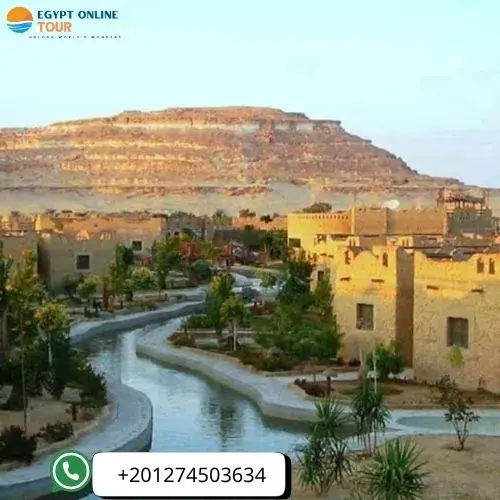
Famous Siwan Products & Why They're Special
Product | What Makes It Unique | Best Place to Buy |
Siwan Dates | Sweet, organic, and fresh, a staple crop of the oasis. | Local markets and nearby farms |
Siwan Olive Oil | Pure, cold-pressed, often organic; known for high quality. | Local shops and eco-lodges |
Hand Embroidery | Intricate, colorful patterns crafted by Siwan women. | Women’s craft centers and souqs |
Siwan Silver | Heavy, symbolic pieces with distinctive Berber designs. | Specialized jewelry stores |
Salt Lamps | Crafted from local salt formations, this unique natural decor is. | Souvenir shops in Siwa |
Local Festivals:
- Siwan Eid (Tourism Festival): This is a famous three-day celebration. It usually happens in October. It attracts many visitors.
- Witness traditional dances and music. It showcases Siwan's heritage.
- Dates Harvest Festivals: Runs from late September to November. The oasis bursts with activity.
- You can taste fresh dates. See locals gathering their crop.
Siwa Oasis Travel tips, like attending these festivals, let you connect with the local culture and enjoy the most festive time to visit. You can also explore Egypt vacation packages that match these events for a richer experience.
What Should I Pack for Siwa Oasis?
Planning a trip to Siwa Oasis means preparing for desert weather, remote areas, and unique local culture. The right gear makes your journey easier, safer, and more comfortable. These Siwa Oasis travel tips help you pack smarter and enjoy every moment without stress.
Here’s what to bring when visiting Siwa Oasis:
- Light cotton clothes for hot daytime temperatures
- Long sleeves and pants for sun and modesty
- A warm jacket or hoodie for cool desert nights
- Comfortable walking shoes for exploring sand and ruins
- Sandals or slip-ons for short walks or hot springs
- Sunglasses to protect against desert glare
- A scarf or hat with a wide brim for additional sun protection
- High SPF sunscreen for prolonged exposure to the sun
- Lip balm with SPF to avoid cracked lips
- A refillable water bottle to stay hydrated
- Rehydration salts or electrolyte tablets for extra care
- Swimsuit for salt lakes, Cleopatra’s Pool, or hot springs
- Quick-dry towel for use after springs and pools
- Personal care items, including a toothbrush and soap
- Travel-sized shampoo and body wash (some lodges don’t provide them)
- Tissues and hand sanitizer for outdoor areas
- A headlamp or flashlight to use when strolling after nightfall
- A small first-aid kit with plasters, painkillers, and antihistamines
- Insect repellent, especially in palm grove areas
- Power bank for charging phones during long day trips
- Basic medication if you take prescriptions (pharmacies are limited)
- Snacks or protein bars for long desert tours
- A notebook or journal to capture memories
- A good camera or phone with storage space
- Your ID, passport, and any booking confirmations
Learn more about: How Much Does It Cost to Go to Egypt
Extra tips: Pack Smart, Experience Fully
- Avoid packing heavy luggage—Siwa’s streets are not paved.
- Bring cash.ATMs are scarce and occasionally malfunction.
- Respect local dress codes. Covering shoulders and knees is appreciated.
Pack light, pack smart, and focus on comfort and respect. Siwa Oasis Travel tips can help you get everything right from the start. Siwa offers a peaceful escape—prepare well so you can enjoy it fully. Choosing the right Egypt tour package can also make your trip smoother and more organized.
What to Buy in Siwa Oasis? A Shopper’s Guide to Authentic Local Treasures
Siwa is more than palm trees and desert views. It’s a place where every item you buy tells a story. From handmade crafts to pure organic goods, Siwa offers things you won’t find elsewhere. These Siwa Oasis Travel tips will help you choose the best souvenirs while supporting the local community.
Top Things to Buy in Siwa Oasis
- Siwan Dates: Local farmers grow soft, sweet dates. They taste fresh and stay chemical-free.
- Cold-Pressed Olive Oil: Siwan olives make oil with rich color and strong flavor. Many lodges sell bottled, pure oil.
- Salt Lamps: Made from Siwa’s salt rocks. They light up softly and fit any home decor.
- Handmade Silver Jewelry: Local artists shape rings, necklaces, and bracelets. Every piece has unique Berber symbols.
- Palm Leaf Baskets: Woven by Siwan women. They come in many shapes and sizes for storage or decoration.
- Siwan Pottery: Crafted from local clay. You’ll find bowls, mugs, and small dishes in earthy tones.
- Embroidered Clothing: Traditional dresses and scarves use bright thread and detailed patterns. Look for local craft centers.
- Natural Soaps: Handmade from olive oil, herbs, and dates. They clean gently and smell fresh.
- Herbal Teas: Dried desert herbs like mint and basil. Locals brew them to relax or ease digestion.
- Traditional Siwan Rugs: Thick, colorful rugs tell stories in their designs. Great for homes or gifts.
- Dates, Jam, and Syrups: Locals mix dates into spreads and syrups. They go well with bread or pancakes.
- Palm Wood Carvings: Carved into spoons, boxes, or small statues. Simple, useful, and easy to carry.
- Desert Sand Art: Colored sand inside glass bottles. Designs show palm trees, dunes, or camels.
- Karsheef Mini Models: Miniature homes made of salt and mud. These reflect the traditional Siwan building style.
- Siwan Spices: Blends of cumin, anise, and fenugreek. Add them to meat, rice, or tea.
What to Buy in Siwa and Where to Find It
Item | What Makes It Special | Where to Find It |
Siwan Dates | Sweet, fresh, organic | Local farms, markets |
Olive Oil | Cold-pressed, strong taste | Eco-lodges, small shops |
Silver Jewelry | Handmade with Berber symbols | Jewelry stalls, souqs |
Salt Lamps | Made from local salt crystals | Souvenir shops, hotels |
Herbal Teas | Natural, soothing, and fragrant | Market stalls, herbal stores |
Pottery | Earth-colored, local clay | Artisan shops |
Woven Baskets | Palm leaf, colorful, handwoven | Women’s co-ops, markets |
Embroidered Clothes | Traditional Siwan designs | Women’s workshops, souqs |
Natural Soaps | Olive oil-based, skin-friendly | Small natural stores |
Date Syrup | Sweet, pure, natural | Local food shops |
Sand Art | Colored desert sand in glass bottles | Tourist stalls |
Wood Carvings | Handmade from palm trunks | Handicraft centers |
Siwan Spices | Traditional blends, sun-dried | Local spice vendors |
Mini Karsheef Models | Made from salt-mud bricks | Craft corners, local workshops |
Traditional Rugs | Heavy, colorful, handwoven | Carpet shops, cultural houses |
Final Tips for Siwa Shopping
- Always ask if products are handmade or factory-made.
- Try bargaining politely—it’s part of the culture.
- Support local women’s collectives. They keep old crafts alive.
- Pack light so you can take more home.
- Avoid plastic souvenirs. Choose local, sustainable items instead.
Siwa Oasis Travel tips like these help you shop smart, support the community, and enjoy a more authentic experience.
Read about: Top 10 Souvenirs From Egypt
Is There Alcohol in Siwa? Here's What to Know Before You Go
Siwa is a conservative area. Alcohol is not widely sold. Most local shops don’t offer it. However, some hotels may serve it discreetly. You must ask in advance. Public drinking is not accepted. Always respect local customs. This helps avoid problems. For those visiting, planning ahead is best. Siwa Oasis Travel tips often highlight these cultural norms. When experiencing Siwa Oasis, keep in mind that cultural sensitivity is essential. That way, your trip stays smooth and respectful.
Cairo to Siwa Oasis Flight: What You Need to Know Before You Book
Planning a trip from Cairo to Siwa Oasis? Here’s what you should know. While Siwa is remote, you still have travel options. These Siwa Oasis travel tips help you decide the best way to get there.
- There are no direct commercial flights from Cairo to Siwa. The nearest airport is in Marsa Matrouh.
- You can fly from Cairo to Marsa Matrouh in about 1 hour. However, this route is seasonal and may not run year-round.
- From Marsa Matrouh, Siwa is a 4–5 hour drive. Taxis or private cars are your best option for this leg.
- Flight availability is limited. Check EgyptAir or Nile Air for updated schedules before your trip.
- Private charters are possible but expensive. Some tour companies arrange flights for groups or VIP travelers.
- The full trip may still take 6–8 hours. Plan your travel day accordingly to avoid delays.
- Driving from Cairo is still the most common way. Though long, many prefer the desert views and flexible stops.
- Book flights early if traveling in peak season. Siwa is busiest from October to April.
- There are no flights from Siwa back to Cairo either. You’ll need to plan ground transport for your return as well.
- Always check road conditions before driving. Sandstorms or weather can delay or block desert routes.
- Bring food, water, and fuel if going by road. Gas stations and shops are few between Marsa Matrouh and Siwa.
- For more comfort, consider joining a guided tour. These often handle all transfers and make stops on the way.
- Siwa is remote but worth the journey. Many travelers say the adventure makes the experience richer.
- If you're traveling solo, book in advance. Transport options fill quickly in tourist season.
Is It Safe to Swim in Siwa Oasis? Your Clear Guide to Enjoying Its Waters Safely
Planning a trip to Siwa Oasis is truly exciting. Its sparkling springs and vast lakes are a major draw. Many travelers, however, wonder about swimming safety in these unique waters. The simple answer is yes, with a few smart choices. Siwa offers many safe places to enjoy a refreshing dip. These essential Siwa Oasis travel tips will guide your journey. Dive into Siwa’s beauty with confidence. For a smoother trip, explore Egypt Classic Tours that include Siwa in their itinerary.
Here’s what you need to know for a secure swimming adventure:
1. Understanding Siwa's Water Bodies: Diverse Waters, Different Rules
Siwa offers various types of natural water. Each needs a slightly different approach for safety.
Cleopatra's Spring (Ain Guba / Ain Hammam):
- Safety Level: Generally very safe. This is a popular tourist spot.
- It is a large, clear pool. Locals and visitors swim here.
- The water is constantly refreshed. It is well-maintained by the community.
- Precautions: Be mindful of crowds. Respect local modesty.
Hot Springs (Like Bir Wahed):
- Safety Level: Generally very safe. The high heat kills most germs.
- The water is naturally warm. It offers therapeutic properties.
- Precautions: Do not stay too long. Overheating can occur.
- The sulfur smell is normal. It means minerals are present.
Salt Lakes (Various Locations):
- Safety Level: Extremely safe for floating. The high salt content supports buoyancy.
- The water is mineral-rich. It is known for its skin benefits.
- Precautions: Avoid getting water in your eyes. It will sting sharply.
- Rinse immediately afterward. Salt can dry your skin.
- Wear water shoes. The edges of salt crystals can be sharp..
- Do not drink the water. Its salt content is very high.
Hotel Pools & Eco-Lodge Pools:
- Safety Level: Very safe. These are generally well-maintained.
- They use filtration systems. Hygiene standards are usually high.
- Precautions: Follow pool rules. Use common sense.
Natural Freshwater Canals/Less-Frequented Springs:
- Safety Level: Exercise extreme caution. These are NOT recommended for swimming.
- They may contain parasites. These cause conditions like schistosomiasis (bilharzia).
- Precautions: Avoid stagnant or slow-moving freshwater. Stick to known safe spots.
2. Essential Swimming Safety Practices: Your Checklist for Confidence
Smart choices make a huge difference. For a worry-free swim, heed these suggestions.
Choose Wisely:
- Stick to popular, known springs. Use hotel pools too.
- Avoid any stagnant water. Do not swim in irrigation canals.
Top Swimming Spots in Siwa
Swimming Spot | Water Type | Safety Level | Entry Fee | Best Time to Visit |
Cleopatra’s Pool | Freshwater | Very safe | Free | Morning or sunset |
Fatnas Island | Spring-fed | Moderate | Small fee | Before noon or sunset |
Bir Wahid | Hot spring | Safe | Free | Afternoon |
Taghaghien Pool | Freshwater | Safe | Free | Morning |
Salt Lakes | Salty lakes | Very safe | Free | Early morning |
Protect Your Body:
- Sun Protection: The desert sun is intense. Apply high SPF sunscreen. Wear a hat. Use sunglasses. Seek shade often.
- Hydration: Drink plenty of water. Dehydration happens fast, especially when swimming.
- Foot Protection: Wear water shoes. This protects against sharp salt crystals or rough terrain.
- Modesty in Swimwear: Wear appropriate swimwear. Outside designated pools, walking around in swimsuits is not common.
Environmental Awareness:
- Avoid using shampoo or soap directly in lakes or natural springs. This pollutes the water.
- Carry out all trash. Leave no trace behind.
- Help keep all swimming areas clean.
Listen to Local Advice:
- Ask your guide or hotel staff. They know current conditions.
- Follow their recommendations regarding swimming spots.
3. Why Swimming in Siwa is Worth It (When Done Safely)
Despite precautions, swimming in Siwa is a unique experience. It offers true joy.
Unique Experience:
- Floating effortlessly in salt lakes is unforgettable. It’s truly special.
- Relaxing in a desert hot spring under the stars is magical.
Therapeutic Benefits:
- Many believe Siwa’s waters have healing properties. Minerals soothe the skin.
- Hot springs ease muscle aches. Salt lakes are good for certain skin conditions.
Refreshing Escape:
- Swimming offers a perfect break from the heat. It refreshes your body.
- It's a calm activity. Find true tranquility in the water.
Final Tip: Swim Smart, Enjoy Fully
Swimming in Siwa Oasis is remarkably safe, provided you choose your spots wisely and follow simple precautions. Siwa Oasis Travel tips often stress the importance of picking the right springs and following local guidance. By being informed, you can fully enjoy the unique, refreshing, and therapeutic waters of this incredible desert gem.
It’s a journey for your soul. For expert planning and a seamless, secure experience, Egypt Online Tour can guide you every step of the way. Your unforgettable Siwa adventure truly begins here, with confidence.
Savor luxury with our Luxury Egypt Tours , where modern conveniences blend with historic grandeur.

The Summary
As you prepare for your journey, remember these 21 Siwa Oasis Travel Tips to make your trip smooth and memorable. From packing right to knowing when to visit, each tip helps you explore safely and fully. Trust Egypt Online Tour to guide you every step of the way. Start planning now, and let Siwa’s unique charm leave you with lasting memories.