13 Hidden Facts About The Western Desert Of Egypt To Know
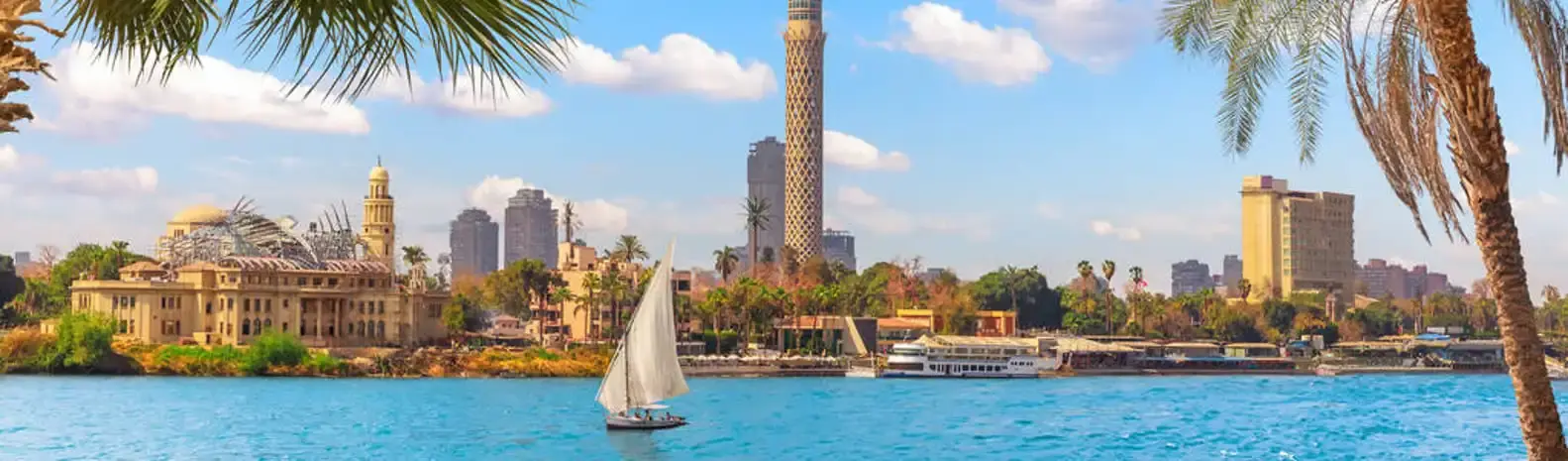
- Jul 17, 2025
- 982
The Western Desert Of Egypt covers nearly 68% of the country’s land, according to Egypt’s State Information Service (https://sis.gov.eg). Still, most visitors never see it. Which 13 facts about Egypt's Western Desert are surprising to tourists? Is it the fossils, the silence, or the stars? Each spot offers something different. So, why is it still hidden? Maybe it’s time to explore what most overlook.
Western Desert Tours
The Western Desert Of Egypt offers tours unlike anywhere else. You’ll visit chalk-white deserts, dark volcanic hills, and ancient fossil sites. Local guides help you explore safely while sharing real desert life. You’ll sleep under quiet skies, ride over golden dunes, and soak in natural springs. With each stop, there’s a new story to see. Book your Western Desert trip today and discover Egypt beyond the Nile—real, raw, and still hidden from most.
Location of the Vastness and Heritage of the Western Desert: Egypt’s Land of Timeless Whispers
Does Egypt stop at the pyramids? Look west. The Western Desert of Egypt is close to 700,000 square kilometers, making it larger than many countries. It leans against Libya, brushes Sudan, and dips its toes in the Mediterranean. Most travelers never see it. But those who do find more than sand they discover silence thick enough to hear ancient caravan bells, and landscapes that time forgot.
If you're dreaming of Western Desert Tours, knowing where it lives unlocks why it moves souls:
Quick Guide to the Western Desert’s Location and Highlights
- Starts where the Nile’s green fades, stretching to Egypt’s desert borders
- Sprawls west from the Nile’s last palms to distant borders
- Neighbors: Libya (left), Sudan (down), Mediterranean (up)
- Bigger than Texas—yet you’ll meet more stars than people
- Main Oases (Life in the Desert):
- Siwa: Olive groves and Cleopatra’s spring
- Bahariya: Dense palm forests, 4 hours from Cairo
- Farafra is renowned for its peaceful roads, hot springs, and artwork
- Dakhla: Traditional mud-brick villages and local life
- Of the five, Kharga is the biggest and greenest.
- Just 220 dusty miles from Cairo to Bahariya’s hot springs
- White Desert’s chalk ghosts glow at dusk, carved by a million sandstorms.
- Black Desert’s bruised hills—volcanic scars under a fierce sun
- Gilf Kebir’s caves hide Stone Age art and WWII truck tracks.
- The Great Sand Sea’s dunes guard forgotten trade roads to Chad.
- Bedouins still share stories over sweet tea, passing down millennia in words.
- Alongside the temples of the pharaohs and the bones of whales, Roman forts collapse.
- Wadi Hitan (Whale Valley), a UNESCO site, holds fossil records millions of years old
- Go March-May or Sept-Nov—summer’s furnace melts cameras.
- Local guides matter—they’ll show you the desert pulse, not just paths.
- 4x4 convoys launch from Cairo, Luxor, or Marsa Matrouh’s coast.
Read about: visit Siwa Oasis
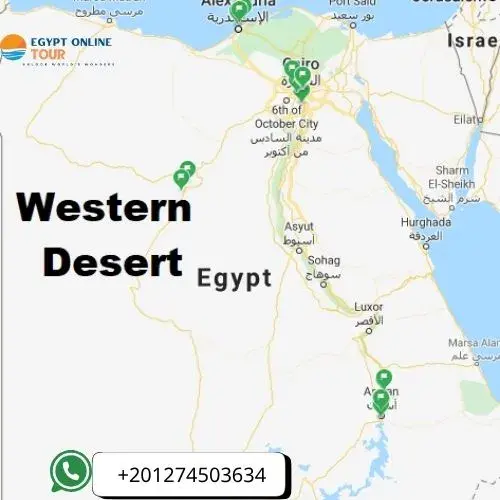
Quick Facts: Western Desert’s Beat
This desert doesn’t empty your spirit – it fills cracks you didn’t know existed.
One Western Desert Tour with the right guides doesn’t just show you Egypt’s map...it rewrites your sense of time.
Read about: Siwa Oasis travel tips
Top Attractions in the Western Desert: Discover Egypt’s Wild Silence and Living History
Most visitors never look past the Nile. But those who do—those who choose Western Desert Tours—discover Egypt’s quietest wonders. From glowing chalk valleys to ancient cave art, this land tells stories without speaking. Here’s where to go when you want to see Egypt with new eyes.
Unmissable Natural and Cultural Sites
White Desert
- Wind-sculpted chalk rocks glow at sunrise and turn gold by sunset.
- Camp under the stars here, it’s magic
Black Desert
- Volcanic hills scatter dark stones across golden sand.
- It's dramatic, silent, and perfect for photos.
Great Sand Sea
- Waves of dunes stretch west beyond Siwa.
- Once used by caravans, now it’s pure stillness.
Gilf Kebir Plateau
- Deep in the desert, it hides prehistoric cave art and WWII history
- Few places feel this untouched.
Cave of Swimmers
- Ancient images of people swimming, painted in a desert that has seen no water in thousands of years.
Crystal Mountain
- A ridge of sparkling quartz rises from the sand.
- It's small, but the light here feels sharp and clear.
Wadi Hitan (Whale Valley)
- In the Whale Valley's Wadi Hitan, where the sea once existed, whale fossils can be found.
- This UNESCO site demonstrates that water originally occupied Egypt's land.
Siwa Oasis
- Palm trees, salt lakes, and Cleopatra’s spring.
- The Oracle Temple still whispers ancient wisdom.
Bahariya Oasis
- Visit the Valley of the Golden Mummies.
- Soak in hot springs and listen to Bedouin stories over tea.
Farafra Oasis
- A desert retreat filled with artists, adobe houses, and natural springs. Quiet runs deep here.
Dakhla Oasis
- Mud-brick villages and Roman temples sit quietly, untouched by time.
Kharga Oasis
- Nestled between palms and sand, Kharga Oasis is home to lofty Roman fortifications and ancient Christian relics.

Western Desert Highlights: Simple Travel Guide
The Western Desert of Egypt Tours don’t just take you somewhere. They take you away from noise, closer to stories written in stone, fossils, and sky. Here, Egypt isn’t crowded. It’s still. And real.
For a luxurious, comfortable, and unforgettable trip to Egypt, check out Egypt Luxury Tours
Best Time to Visit Egypt’s Western Desert: Clear Skies, Quiet Trails, and Perfect Weather
The Western Desert of Egypt is best explored in calm seasons, not harsh heat. While summer pushes temperatures to extremes, spring and fall bring cooler days, better light, and less dust. To plan a smart visit, consider the timing carefully.
- October to April is the best time for most tours and outdoor travel
- March to May gives warm days, cool nights, and clear skies
- November offers soft light, fewer crowds, and mild air for hiking
- December to February is cooler but still sunny—ideal for photography
- Avoid June to August, as daytime heat can reach 45°C in some areas
- Although they are uncommon, dust storms are more frequent from late May to early July.
- Evenings get cold in winter, so pack layers even for the desert
- Some oases experience spring blossoms, particularly in Farafra and Siwa.
- Road conditions improve, and the likelihood of windstorms decreases in the fall.
- Tour prices are better in shoulder months like October and March
Read about: Best Months to Visit Egypt
Travel Seasons Table: The Western Desert of Egypt
The Western Desert of Egypt waits quietly. Time your visit right, and the land gives back more than silence.
Don't pass up Egypt Adventure Tours opportunity to see it.
Adventure Activities in the Western Desert of Egypt: Real Travel, Deep Silence, and Moving Sand
The Western Desert of Egypt goes far beyond simple views. This land offers adventure you can feel, not just see. While most travelers rush through cities, this desert waits.
If you visit at the right time, the land offers you space to move, sweat, and see things clearly. Every trail, dune, or campfire tells a new story. You just need to show up.
Adventure Activities That Make the Desert Real
4x4 Desert Drives
- Cross dunes and rocky tracks with expert local drivers in Bahariya or Farafra.
Sandboarding
- The Great Sand Sea gives you speed and fun on golden slopes—no snow needed, just excitement.
Camel Trekking
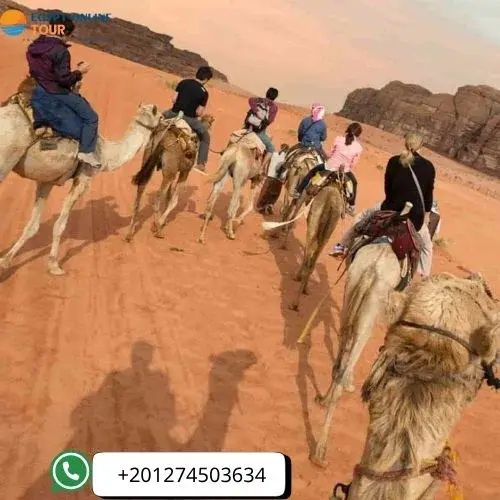
- Travel slowly through Siwa or Dakhla like ancient traders.
- Some routes go for hours, others for days.
Desert Camping
- Spend a night in the White Desert.
- You’ll sleep under the stars and wake up to silence.
Hot Springs Baths
- After long drives, rest in Farafra or Bahariya’s natural pools.
- The water stays warm all year.
Stargazing
- With zero light pollution, the sky shows every star.
- Sit back—no telescope needed.
Hiking and Fossil Walks
- Visit Gilf Kebir or Wadi Hitan.
- You’ll find prehistoric cave art and whale fossils deep in the sand.
Quad Biking
- For faster fun, try quad biking in Siwa or Bahariya.
- The routes are easy to follow and safe.
Birdwatching
- Winter and spring bring birds to Siwa’s salt lakes.
- Bring binoculars if you want a close look.
Photography Walks
- Light changes fast in the desert.
- Sunset and every rock and ridge are colored by sunset and sunrise..
Best Spots and Times
The Western Desert of Egypt doesn’t shout. It waits. And if you walk, ride, or sit long enough, you’ll feel it move around you.
Exploring the White Desert and Black Desert
The Western Desert hides two of Egypt’s most dramatic and least crowded places—the White Desert and the Black Desert. Both are close to Bahariya and Farafra, and both show nature in its rawest form. You won’t find temples here. You’ll find silence, rock, sky, and time.
White Desert Highlights
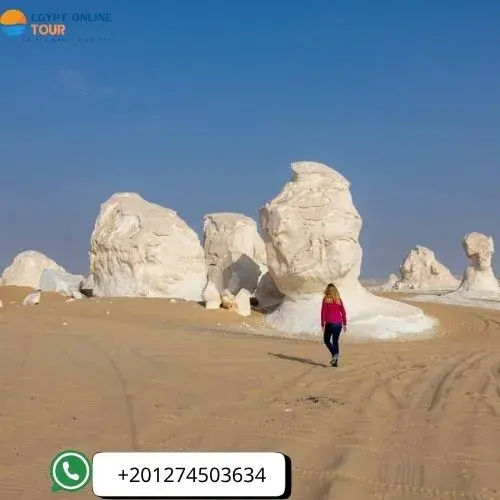
- White chalk rock rises in wild shapes—mushrooms, chickens, and frozen waves.
- Wind and sand carved these forms over millions of years from ancient seabeds.
- Agabat Valley, Mushroom Rock, and Chicken & Tree are top spots for photos.
- Everything is painted a gentle shade of pink and orange during the golden hour.
- Crystal Mountain nearby shines with natural crystal deposits.
- Nights are silent. The stars look close. Cold air makes camping clear and calm.
- Endangered animals like Rhim gazelles and desert foxes still live here.
Black Desert Highlights
- Dark volcanic hills rise from golden sand. Shadows shift all day.
- 180 million years ago, volcanic explosions created basalt caps, which are the source of the black.
- Some hills are topped with dolerite rock, giving a crater-like look.
- Fossils of ancient marine life and petrified wood are scattered here.
- The region is conveniently located between the White Desert and Bahariya Oasis.
- Spring and fall offer the best weather for hiking or short walks.
Why It Matters
- These deserts offer a real escape, far from Egypt’s crowded tourist paths.
- Each one tells a different story—chalk vs basalt, sea vs volcano.
- Nature shaped both over millions of years.
- They feel like walking on another planet.
- Yet, they’re close enough for a weekend trip.
Top Tips
- Visit both in spring or winter for cooler air.
- Bring light clothes for the day, warm ones for the night.
- A local guide helps you find the best photo spots and fossils.
- If you camp, use eco-friendly practices. These places are fragile.
Quick Comparison: White vs Black Desert
What Makes These Deserts Stand Out
- Most tourists visit Egypt for the pyramids and museums.
- Few explore its desert past—oceans turned to chalk, lava cooled to rock.
- Here, the ground tells stories older than any pyramid.
Want more than just temples? Start with these two desserts.
They change how you see Egypt. Show you time, silence, and space.
Show you the land before man.
Bring a camera. But more than that, it brings curiosity.
Must-See Oases: Siwa, Bahariya & Farafra
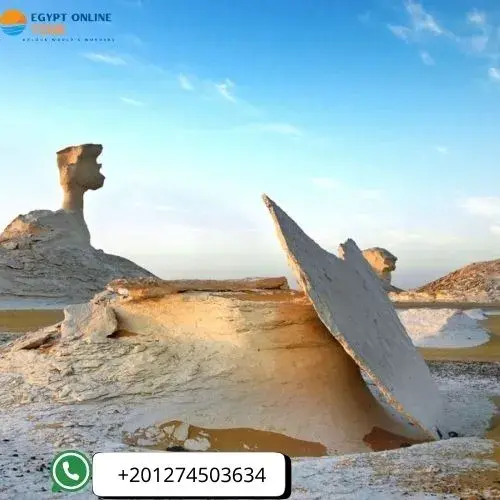
The Western Desert of Egypt hides more than dunes and silence.Three of Egypt's most distinctive oases are located there. Each oasis offers a different story. Nature, history, and culture come together in places where the modern world hasn’t rushed in. These oases give you peace, discovery, and views you won’t forget.
Siwa Oasis: History, Springs, and Siwan Culture
- Visit the Temple of the Oracle, where Alexander once stood, 500 kilometers from Cairo, close to the Libyan border.
- Swim in Cleopatra’s Spring, shaded by palms
- Explore Shali Fortress, built using traditional salt-mud bricks from the local area.
- Admire the sunsets on Fatnas Island or the salt lakes.
- Explore the ancient Pharaonic and Roman burial sites found on the Mountain of the Dead.
- The Siyaha Festival in October demonstrates long-standing Berber customs.
- Locals speak Siwi and preserve ancient customs
- Known for healing sand baths and handmade crafts
Bahariya Oasis: Desert Trails and Ancient Finds
- Closest major oasis to Cairo, gateway to the White and Black Deserts
- Visit the Greco-Roman Valley of the Golden Mummies.
- Visit the Temple of Alexander and decorated tombs in Qarat Qasr Salim
- Soak in natural hot springs like Bir Sigam
- Hike desert trails or relax under palm trees
- Agriculture thrives here—mainly olives and dates
- The population blends Bedouin, Upper Egyptian, and local tribes
Farafra Oasis: Calm, Art, and Desert Silence
- Quietest and least crowded of the three oases
- Home to Badr’s Museum—artwork made from desert materials
- Near the White Desert with surreal rock formations
- Swim in warm wells like Bir Sitta and Bir Sab’a
- Visit Djara Cave with prehistoric carvings
- Ancient irrigation routes are bordered by apricot trees and palm gardens.
- Ideal for desert camping and stargazing
Oasis Comparison Table
Oasis Top Attractions Best Season Main Feature Nearby Desert
Siwa Temple of Oracle, Salt Lakes Spring, Autumn, Unique culture, spring,s The Western Desert
Bahariya Golden Mummies, Hot Springs Winter, Spring History, Black Deser,t The Western Desert
Farafra White Desert, Warm Wells Winter, Spring Art, quiet landscapes, The Western Desert
Why These Oases Matter
They’re not just stops on a map. These oases show you how life thrives in harsh places. They reveal a side of Egypt most travelers miss. You get time, space, and real stories. And in every step, you walk through living history.
Bring your camera. Bring layers. And most of all, bring curiosity.
How to Travel Safely in the Western Desert of Egypt
Ancient pathways, unending quiet, and unadulterated beauty can all be found in Egypt's Western Desert. Yet, safe travel here depends on how well you prepare. With a few key steps, your desert journey can be smooth, secure, and deeply rewarding.
- Travel only with licensed, local desert guides familiar with the route.
- Share your plan and return time with someone before you leave.
- Bring extra water—at least double what you expect to need.
- Carry dry snacks, fuel, a power bank, and a flashlight.
- Always pack a physical map along with your GPS or offline maps.
- Avoid solo travel and never drive after sunset.
- Dress in layers; days are hot, but nights can turn cold.
- Use sun protection: hat, sunglasses, scarf, and sunscreen.
- Keep a first-aid kit with basic supplies and your medicine.
- Choose shoes based on terrain—boots for hikes, sneakers for 4x4 tours.
- Set up camp before dark and stick to marked paths.
- Respect protected areas, wildlife, and desert plants.
- Never photograph military sites or use drones without permission.
- Avoid the 50 km zone near the Libyan border unless in a secured convoy.
Let our local travel experts help you design the perfect itinerary. Whether you're seeking adventure, culture, or relaxation, we've got you covered!
Essential Desert Packing Checklist for Safety
By following these guidelines, you can confidently and carefully take in the untamed tranquility of Egypt's Western Desert.
Western Desert Tours: What to Expect
If you're planning a desert trip, here's exactly what to expect—so you’re ready, not surprised.
What You’ll See and Do
- Explore otherworldly sites such as the White Desert and Black Desert.
- Discover unique chalk formations, dark volcanic hills, fossil sites, and sparkling crystal ridges.
- Stop by Siwa, Bahariya, or Farafra for quiet oasis time
- Camp under open skies with zero light pollution
- Enjoy peaceful sunsets and long desert drives
- Hike short trails or ride through sand in 4x4 vehicles
- Rest and swim at hot springs or natural wells
- Hear Bedouin stories, songs, and taste local meals
What Tours Usually Include
- Licensed guide who knows desert routes well
- 4x4 transport, often with two vehicles for safety
- Full meals, tea, snacks, and drinking water
- Sleeping bags, mats, tents, and blankets if camping
- Basic tools, first aid, and support gear.
Checking boxes isn't the main goal of desert trips in Egypt's Western Desert. They're about stillness, silence, and seeing the land in its true form. Plan well, stay flexible, and expect fewer crowds—but more meaning.
Cultural Heritage of the Desert Tribes
The Western Desert of Egypt holds living cultures shaped by silence, land, and deep memory. Desert tribes carry traditions built through centuries of survival, family, and faith. Their way of life is more than history—it’s still alive today.
Daily Traditions and Tribal Values
- Oral stories and poetry preserve history and honor tribal memory.
- Clothing is light, handmade, and suited for desert heat and sandstorms.
- Elders resolve disputes using tribal law and spoken agreements.
- Trust, familial bonds, and well-established traditions form the foundation of marriages.
- Homes are built from mud, stone, or palm trunks using natural materials.
Hospitality, Food, and Crafts
- Guests are always welcome and given water, tea, and shelter without question.
- Bedouin tea and bread are shared at every visit, often around a fire.
- Women weave rugs, blankets, and tents using local wool and ground looms.
- Handmade jewelry, pottery, and embroidered clothes reflect identity.
- Music and dance are part of weddings, gatherings, and seasonal change.
Beliefs and Social Life
- Religion blends Islam with local rituals tied to nature and tradition.
- Simple grave markers reflect respect without excess.
- Community life happens in open spaces, not behind closed doors.
Key Features of Desert Tribal Culture
The Western Desert of Egypt is more than dunes. It’s a place where tradition walks beside every step. When you visit, you don’t just see the land—you meet a way of life passed on by voice, hand, and heart.
Why the Western Desert Is Egypt’s Hidden Gem
The Western Desert of Egypt stays quiet while other places chase attention.It's a profound, authentic experience rather than merely a location. It shows you Egypt away from crowds, with raw nature, culture, and stillness that few ever reach. Here's why it stands apart.
- You find endless land with no buildings, just silence and sky
- The White Desert holds chalk towers carved by time and wind
- The Black Desert has dark hills rising from yellow sand
- Crystal Mountain glows with quartz lying on the surface
- Bedouin tribes still live close to the land and their roots
- Oases like Siwa and Bahariya feel like whole worlds of their own
- Each oasis has its own food, language, and way of life
- Local guides share real stories, not just facts
- No city noise—just wind, stars, and peace
- Desert sunrises and sunsets appear private and intimate.
- Hot and cold springs offer rest after long drives
- Traditional music, tea, and fire bring people together at night
- Stargazing is clear and endless, with no lights in the way
- You leave with more than photos—you leave with stillness
What Makes the Western Desert of Egypt Unique
The Western Desert of Egypt offers you more than places—it gives you space to breathe, think, and feel. It stays real, simple, and open. That’s why it’s Egypt’s hidden gem.
We can't wait to meet you, so book your Egypt tour packages now and enjoy your amazing journey.
Why American Travelers Are Falling in Love with Egypt’s Western Desert
More Americans are choosing destinations off the main tourist path. Many seek peace, nature, and authentic cultural experiences. The Western Desert of Egypt offers all that and more. It's a location to feel as much as to see.
- Vast open landscapes allow space to breathe and reflect
- Local guides are welcoming, reliable, and deeply familiar with the area
- Simple shelter, firelight, and peaceful nights are provided by desert camps.
- The White Desert features smooth chalk formations and wide horizons
- Black Desert provides strong contrast with its volcanic hills and golden sands
- Crystal Mountain features genuine desert glass and crystalline quartz.
- Siwa and Bahariya oases provide springs that soothe after long journeys
- It is dark, clean, and light pollution-free to observe stars.
- Tea, music, and storytelling are ways that Bedouin culture adds coziness.
- Desert tracks feel real and spontaneous, not commercial
- Each oasis has its own food, dialect, and community rhythm
- Travelers often say they feel more present and aware
- Most return home with deep memories instead of just images
See also: How to Plan a Family Vacation in Egypt from USA?
What American Visitors Appreciate in Egypt’s Western Desert
The Western Desert of Egypt offers something deeper. For many Americans, it restores what modern travel often lacks—quiet, clarity, and meaning. People become closer to the planet and to themselves as a result of this experience.
Read this comprehensive guide to learn more about the biggest accomplishments of ancient Egypt: What Are 3 Major Achievements of Ancient Egypt .
Interesting Facts About the Western Desert
Beyond its sandy dunes, Egypt's Western Desert is a world of surprises. Known for its vast spaces and rich history, it offers travelers unique stories and landscapes. Here’s a snapshot of fascinating facts that make this desert truly special and worth exploring.
- The Western Desert covers about two-thirds of Egypt’s land area, making it one of the largest deserts in the world.
- It hosts several important oases, including Siwa, Bahariya, and Farafra, each with its own culture and history.
- The bizarre chalk rock formations in the White Desert, which have been sculpted by wind over millions of years, are what make it famous.
- Nearby, the Black Desert features volcanic hills capped with black basalt, creating striking contrasts.
- Crystal Mountain contains quartz crystals that sparkle under the desert sun, a rare natural wonder.
- Ancient trade routes crossed the desert, connecting Egypt to Libya and Sudan for centuries.
- The desert is home to resilient tribes, like the Bedouin, who preserve traditional crafts and lifestyles.
- Fossils and prehistoric cave art found here tell stories of life long before the pyramids.
- Stargazing is exceptional due to low light pollution and clear skies nearly every night.
- Hot and cold natural springs provide refreshing stops in this harsh environment.
- Because of the desert's unpredictable weather, which alternates between hot days and cold nights, packing is essential.
- Wildlife includes foxes, gazelles, and a variety of desert-adapted birds.
- Many tours offer authentic camping experiences under vast starry skies.
There is more to Egypt's Western Desert than just sand. It invites you to witness nature’s artistry, ancient history, and living culture. With this knowledge, your visit will be rich and rewarding, connecting you deeply to one of Egypt’s most fascinating regions.
Read about: Where is Memphis in Egypt?
List of the Glorious Treasures of Time Within the Western Desert
The Western Desert of Egypt isn’t just a dry stretch of land. It holds stories carved by nature and time. From rare fossils to ancient temples, every site reveals something unique. This region invites travelers to witness Earth's deep past through landscapes and ruins untouched for centuries.
Every part of the Western Desert of Egypt has something rare to offer. From silence to stars, from fossils to temples, it holds stories written by time, not people. Each visit gives you more than a view—it leaves you with history you can feel.
Let me know if you'd like a meta description or H1–H3 structure for full SEO scoring.
See Is Egypt a popular place to visit in 2025?
Western Desert Tourism: Explore Egypt Beyond the Nile
Many visitors focus on Egypt’s Nile. But if you look west, you’ll find something else—vast deserts, silent lands, and deep stories.
Why the Desert Feels Different
The Nile Valley is busy and full of people. It holds famous sites, large cities, and ancient temples. The Western Desert is the opposite—wide, quiet, and almost untouched.
This region invites travelers to slow down, listen to the wind, and meet cultures shaped by time, not tourism.
How many miles is Cairo from the Western Desert
Cairo is often the starting point for travelers. Knowing the distance to nearby desert spots helps plan smoother trips. Although it depends on the destination, here are average driving distances:
- About 100 kilometers southwest of Cairo is where the desert edge starts.
- There are roughly 230 miles (370 kilometers) between the capital and Bahariya Oasis.
- Farafra Oasis sits nearly 370 miles (595 km) away by road.
- Dakhla Oasis lies close to 480 miles (770 km) southwest of Cairo.
- Kharga Oasis is around 535 miles (860 km) from the city.
- Siwa Oasis, more remote, is roughly 470 miles (755 km) to the west.
- Though it takes time, most oases are reachable by car or local tour.
- Travel hours vary from 4 up to 10, depending on the route and stopovers.
Every trip immerses you in a more serene, historic aspect of Egypt.
If you want to visit Cairo, don't wait to find out more: The cost of admission to the Grand Egyptian Museum Ticket Price
Western Desert Tourism: Explore Egypt Beyond the Nile
Many visitors focus on Egypt’s Nile. But if you look west, you’ll find something else—vast deserts, silent lands, and deep stories.
Why the Desert Feels Different
The Nile Valley is busy and full of people. It holds famous sites, large cities, and ancient temples. In contrast, the Western Desert is vast, silent, and nearly unexplored.
This region invites travelers to slow down, listen to the wind, and meet cultures shaped by time, not tourism.
What Makes the Western Desert Unique
- White and Black Deserts
See strange chalk towers and black volcanic hills across endless golden sand. - Fossils in the Sand
Around Bahariya and Fayoum, you’ll find bones of ancient whales, sea creatures, and early land animals. - Whale Valley (Wadi Al-Hitan)
A UNESCO site that shows how some whales walked on land before moving to the sea. - Tribal Life in the Oases
Places like Siwa still carry the traditions of native tribes, giving you real cultural depth. - Adventure Experiences
Ride across dunes, slide down sand hills, or hike at sunset. Desert nights are perfect for stargazing. - Healing Hot Springs
Siwa’s warm waters and sand therapy help people relax and recover. - Ancient History Before Pharaohs
Visit Nabta Playa to see stone circles built thousands of years before the pyramids.
Discover top attractions and activities to do in Egypt , as well as hidden gems that are worth seeing.
A New Way to See Egypt
Pharaohs are not the main topic of the Western Desert of Egypt. Instead, it shares stories of Earth, stars, survival, and people who live close to nature.
It’s not about big crowds or long lines. It’s about space, silence, and time.
Let our local travel experts help you design the perfect itinerary. Whether you're seeking adventure, culture, or relaxation, we've got you covered!
The Summary
You’ve just uncovered 13 Hidden Facts About The Western Desert Of Egypt To Know—now it’s your turn to see them for real. The Western Desert Of Egypt offers silence, stars, fossils, and stories few travelers ever witness. Don’t stop at reading. Plan your journey today with Egypt Online Tour and explore what others miss. Real deserts don’t wait. So, are you ready to see the side of Egypt most never do? Make an appointment for your Egypt Classic Tours with Egypt Online Tour to join the narrative.